Why Do Foreigners See Nepal As A Backdrop And Not The Main Character?
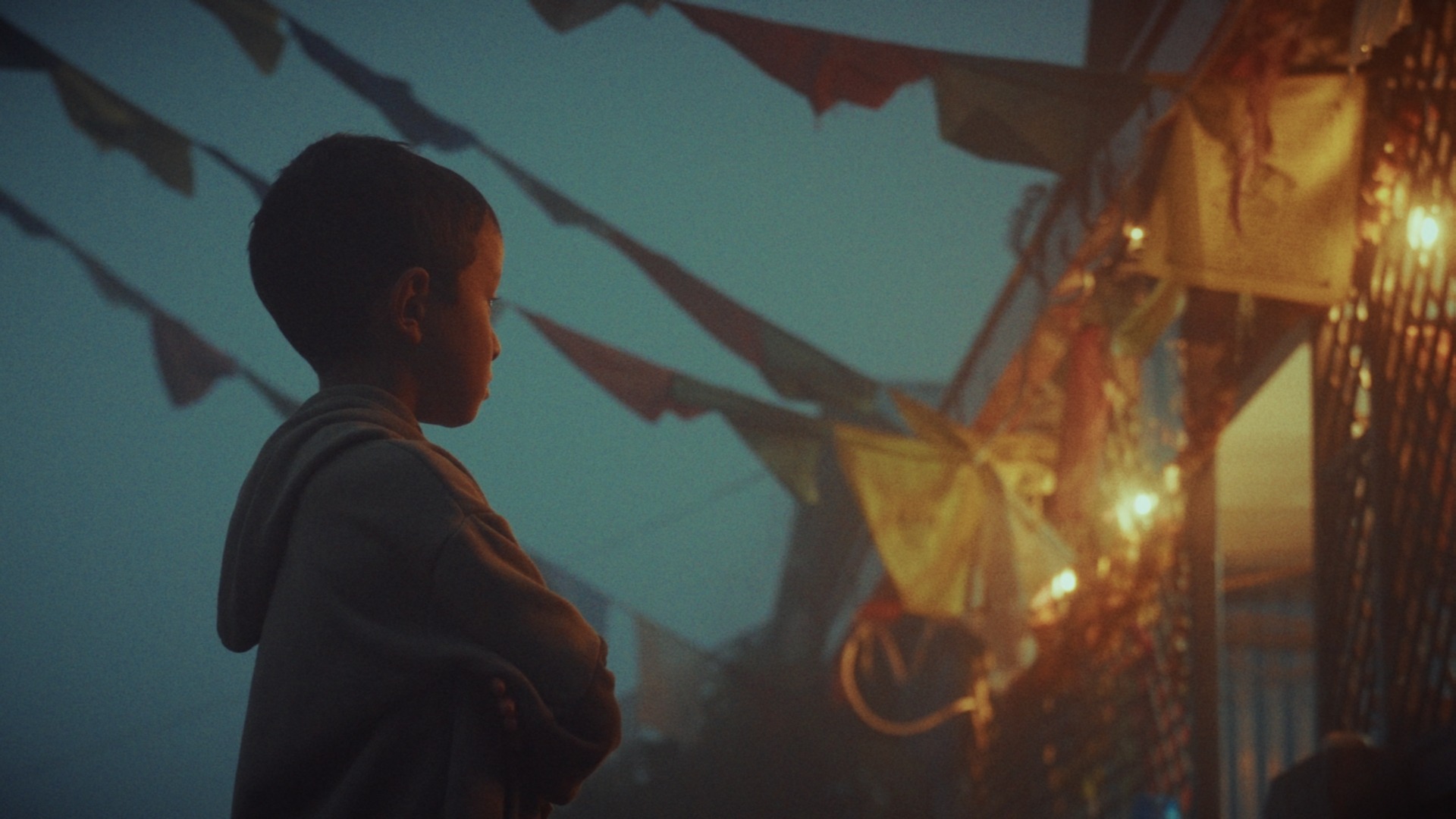
Have you noticed that the global cinema industry portrays Nepal as a backdrop?
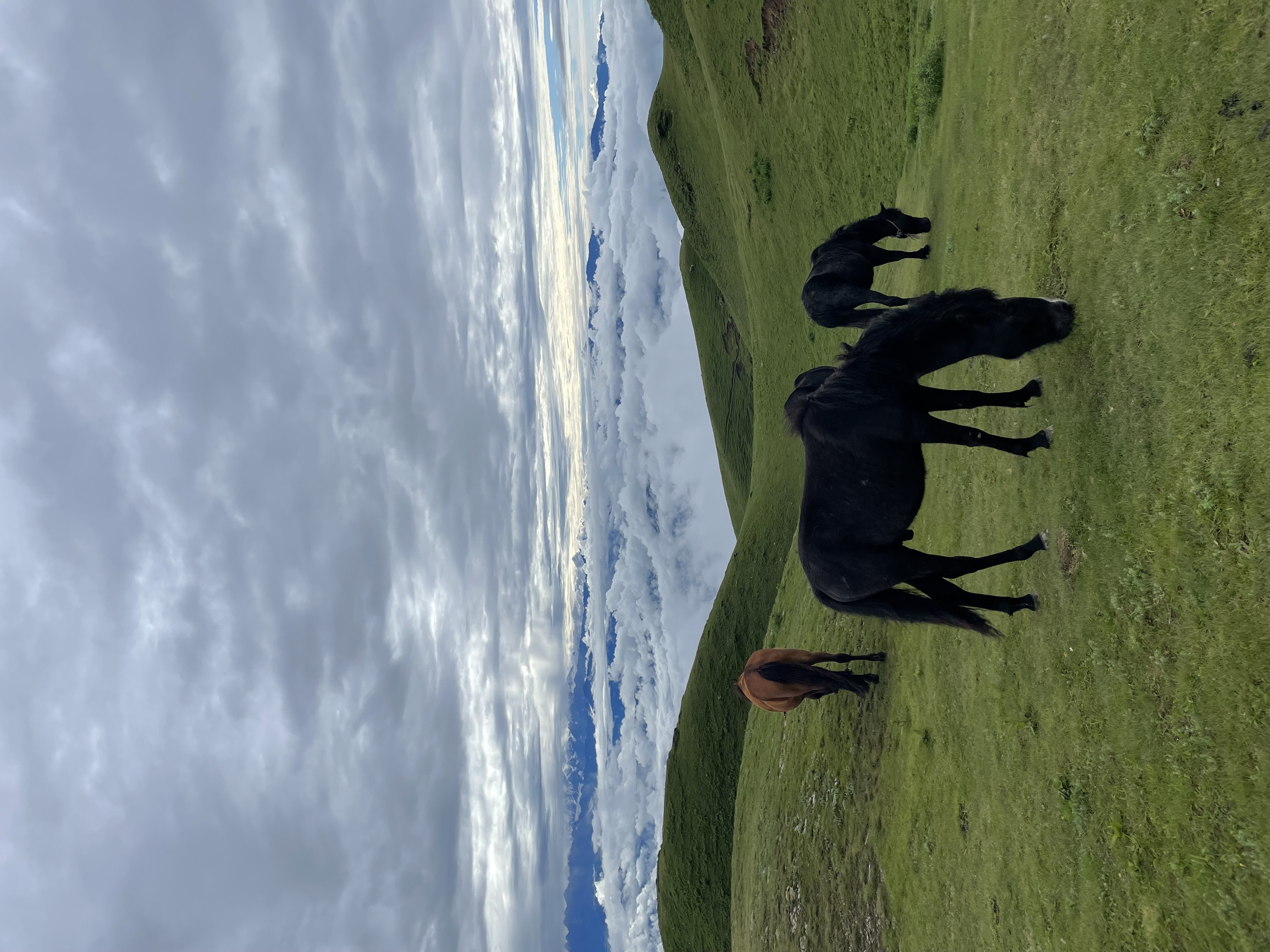
Nepal is behind the scenes, with the beautiful mountains, breathtaking landscapes, and smiling faces as side characters. The cinematic lens captures Nepal as tall mountains and a serene environment that offers nothing but pleasure to the eyes. So, is Nepal just a green screen for films?
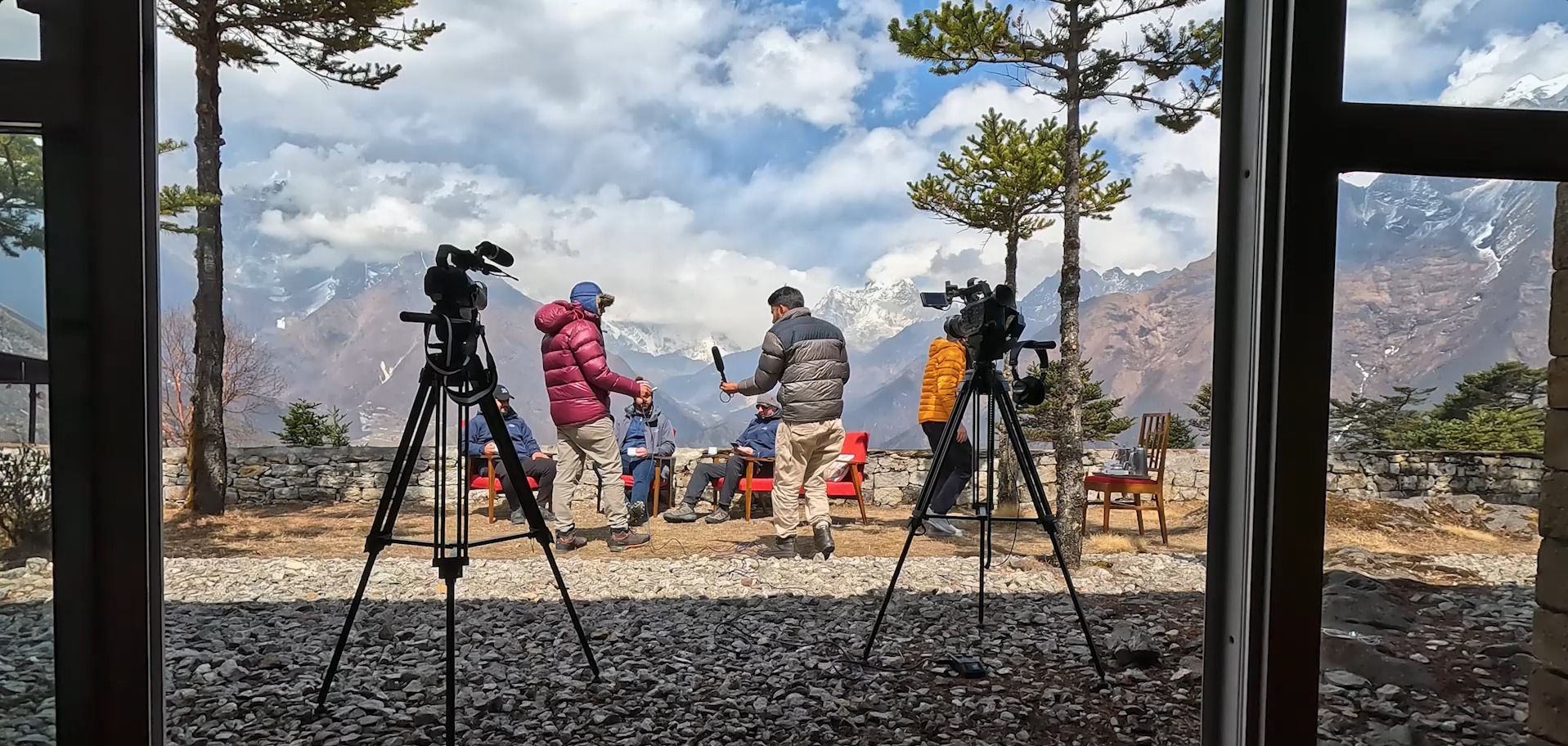
Let’s unpack the truth behind why Nepal is seen as the backdrop, especially by foreign filmmakers, because there is so much more to this nation than just the almighty Everest.
Nepal: More than the Narrative
The foreign narration of Nepal comes with an imperial gaze that objectifies and limits the country’s identity to being exotic, mystical, and unreal. Numerous films have been shot in Nepal, and yet no one has told a story that is not about Everest or spiritual enlightenment.
Yes, Nepal is the land of the Himalayas, but there are also the lively streets of Kathmandu. The Sherpas are brave, but so are the artists. The beauty of the hills is undeniable, but the plains of the Terai hold their own unique identity.
When Nepal is seen as more than stupas, prayer wheels, monks, and snowcapped peaks, its people are recognized as actual characters and not just conveniences. The beauty of Nepal is raw, and it comes from the diversity of its culture, people, and language, which is far too significant for us to be content with merely being background characters.
Why Are We Romanticizing Being the Backdrop?
Because the truth about being a backdrop is that we are letting ourselves be one.
Since ancient times, Nepali people have cherished recognition. First, as brave Gorkhalis, as the land of Sherpas, and now as a background presence for foreign filmmakers. It may seem harmless at first glance, but we are being misrepresented and stereotyped globally.
Setting ourselves up for prejudice is a backward movement for the entire community, one that leads to more harm than good. It’s time people start questioning authenticity and audacity instead of romanticizing films that use us as props and nothing more.
Redefining Nepal Through Films
Nepal is made up of all shades of vibrant and lively colors. Its identity stretches beyond white peaks and sacred monasteries.
Cinema holds immense power to shift reality and manipulate truth. It influences people, culture, and history. Cinema decides how the world sees a place like Nepal. The misrepresentation may not be loud, but it carries the power to shift the perspective of 30 million people.
The undeniable power of cinema can be used to reclaim what belongs to us instead of allowing others to redefine it. The country needs a voice, not just a sight. As filmmakers, it’s our responsibility to reflect light upon the truth.
Changing the Scenario, One Film at a Time
As a Nepali filmmaking company, Samson Films takes it upon itself to change this Western narrative and shift the landscape of filmmaking in Nepal. Our main goal is not just to make Nepal seen but to make it heard.
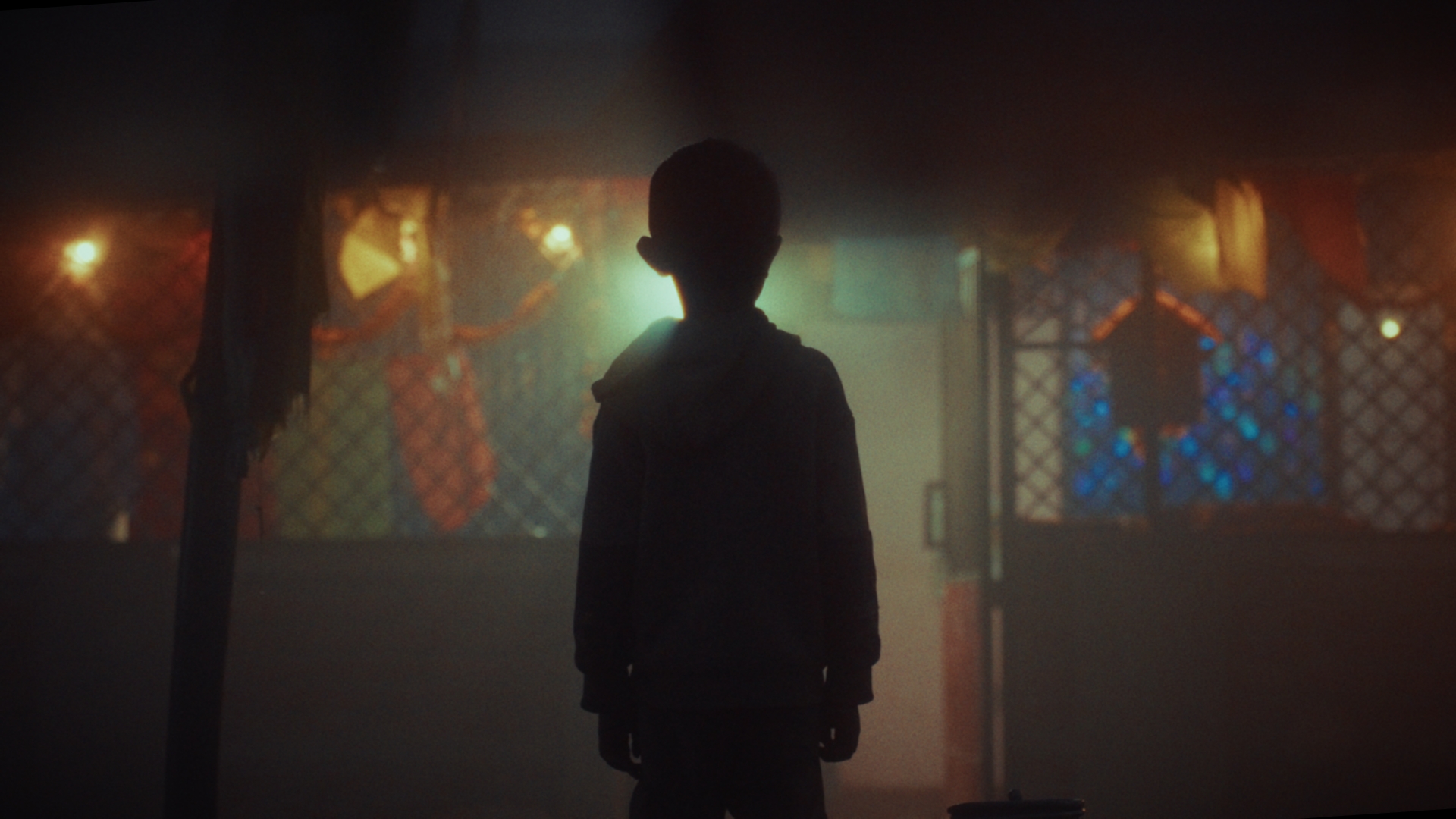
We prioritize films that are simple, real, and relatable, showcasing the struggles of people and their livelihoods. Through stories that reflect the lives of real people and narrate the truth behind the smiling faces, Samson aims to lead Nepal from being a backdrop to becoming the main character, showcasing the real, raw, and authentic side of this nation.
How Can the Audience Help Change This Scenario?
As a film audience, we hold immense power to shape which films and messages are accepted. We can flip the lens and change the storyline. Here are a few things audiences can do to keep Nepal from being the backdrop:
- Support Local Artists
Artists are working hard to share their stories with a wider audience. When audiences support homegrown films, it strengthens our cinematic identity and helps Nepali cinema reach more people.
- Question the Films
When we see Nepal as a backdrop, we need to ask: Is it being shown for the significance it holds, or just as a symbol? When we start questioning the narrative, filmmakers begin to take representation seriously.
- Challenge Misinterpretations and Stereotypes
Since films influence generations of people and culture, it’s vital to clarify misrepresentations and demand recalibration. Doing so widens the world’s perspective and deepens understanding of Nepal beyond what's so obvious to us.