Can AI Replace Filmmakers in 2026?
You can support AI or despise it, but you cannot ignore the fact that it has brought about a revolution in the menial, repetitive work we do.
Is artificial intelligence really better than filmmakers at doing their job? Creative people have an animosity towards artificial intelligence as it solely focuses on output, neglecting the creativity and personalization behind every scene. However, the truth remains that AI is affordable, effective, and gets things done quickly. In this blog, we will discuss whether or not AI will replace filmmakers in 2026.
Artificial Intelligence: Threat or not?
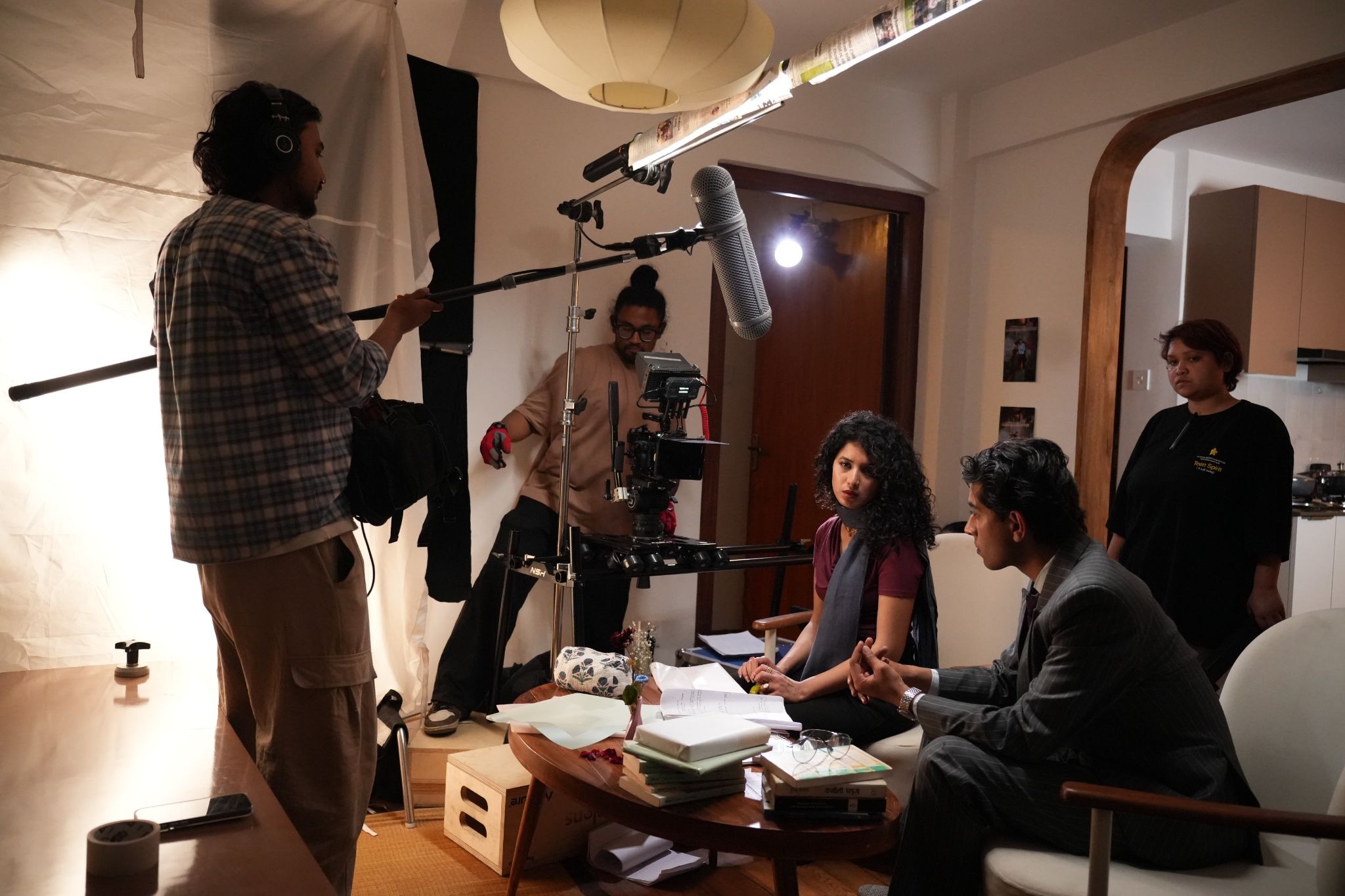
Filmmaking is the process of connecting with the audience through creativity, direction, and characters. It is more than capturing scenes and gluing them together to force meaning; it is an art that narrates a smooth story for viewers to understand and relate to.
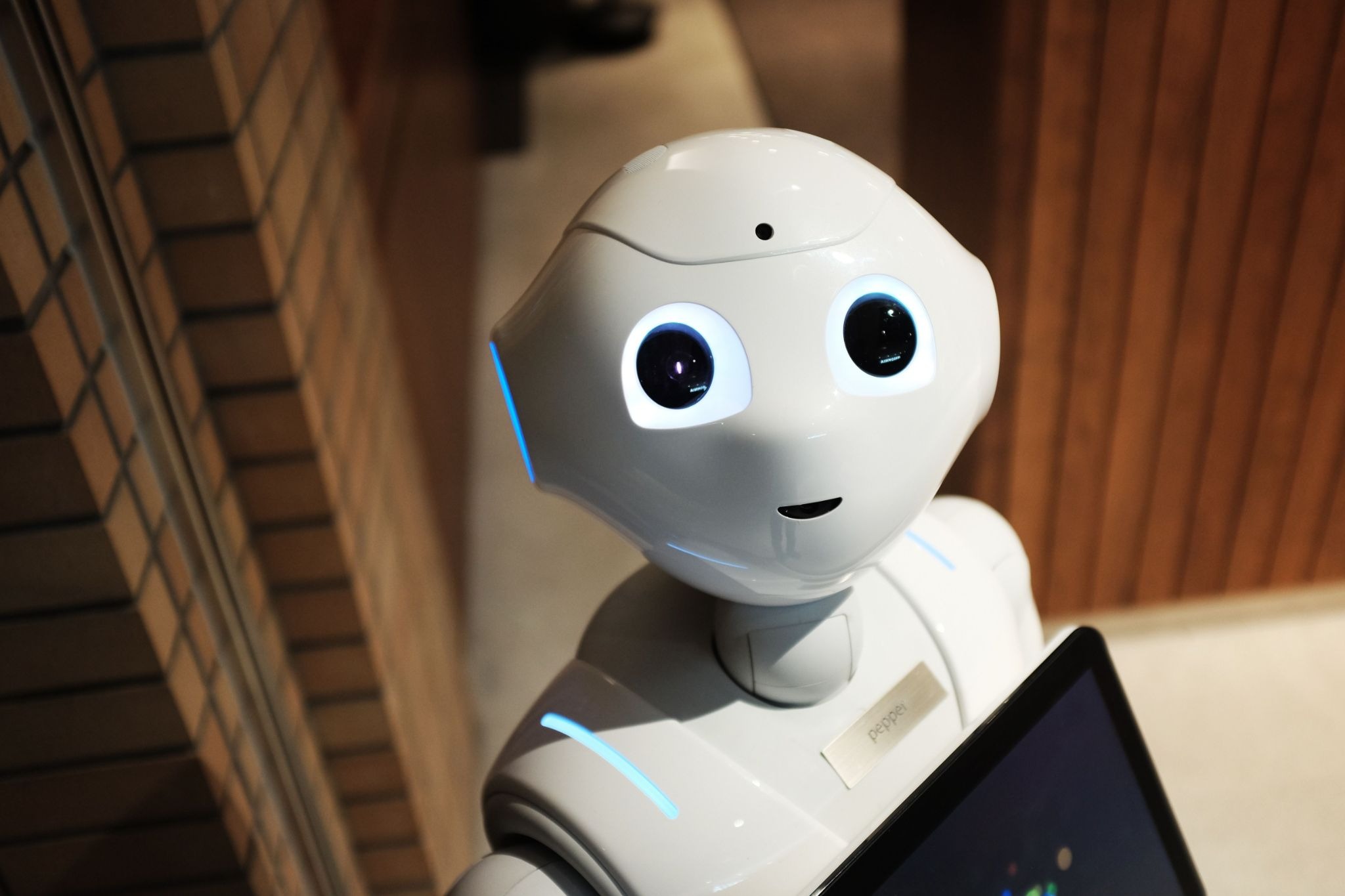
AI, on the other hand, is mechanical but not creative, intelligent but not authentic, and direct but not meaningful. It cannot think between the lines and capture the human emotion that is a key element of films.
AI is not a threat, but it is involved in every field of work.Artificial intelligence has emerged as a valuable tool in contemporary filmmaking, supporting filmmakers throughout various stages of the creative and production process. AI provides competitive advantages, manages projects, and simplifies all tasks. It boosts productivity and helps to manage resources effectively. The new era of filmmaking will be possible through AI.
AI in Filmmaking: Issues and Solutions
AI in Filmmaking comes with both issues and solutions. Here are some of the issues with AI in filmmaking.
1. Authenticity and Ethical Concerns
One of the major issues with AI is the lack of authenticity and ethical concerns. The usage of AI can cause infringement on others’ intellectual property. Also, the generalization of script, scene, editing, and character due to AI raises questions about authenticity. As the filmmakers spend a lot of time planning out the details and curating films, AI ignores the hustle and only focuses on the result.
2. Uniformity in storytelling
AI is dependent on average data and results. Its result is up to the standard, but it cannot take risks and think outside the box. It can make production repetitive and boring, and lack creativity in films. The diversity of culture, narration, and story portrayed will get lost over time with the overuse of AI. Also, the filmmakers may put out films that are guaranteed to work instead of being bold and taking a chance.
3. Shift towards big tech
Filmmaking is profitable, but it is not necessarily designed to earn just profits. When technology takes over to automate and deliver rapid results, it poses a threat to indie and local filmmakers. Using such tech should be for automating manual tasks, not replacing the hard work and creativity of a person.
4. Loss of actor and directorial identity
One of the major issues with AI is the loss of the actors' and directors' identity. Some films are so well made that they remain as timeless pieces of cinema throughout the generations. Movies like The Dark Knight, Pulp Fiction, Casablanca, etc., are some of the best works by the directors and actors. AI creates a threat to such identity and devalues performance and talents.
While these issues are real and still prevail, there is a safe and smart way to incorporate AI in filmmaking.
How is AI helpful in Filmmaking?
AI is designed to increase human efficiency and reduce the task load. AI can be used in pre-production, production, and post-production without posing a threat to creativity and ethics. Here are some ways to safely use AI in filmmaking.
1. Cost Reduction
Whether it's the cost linked with time or labor, AI can reduce it significantly and create a perfect plan for budget distribution. It helps us to use the available resources tactfully and make the most of them.
2. Automation of technical tasks
AI can easily do tasks like story board, pre visualization etc., which saves time and effort.
3. Virtual production
One of the best things about AI is that it can digitize backgrounds and create realistic scenes for films. It is best for short films when the budget is limited. It has its cons, which is the misinterpretation of cultural and geographical authenticity, but when done with the right intentions, it makes filmmaking easy.
4. Distribution and marketing
Producing a film is not enough; it has to be marketed to the right audience. AI is the most reliable tool for that. It can tailor audience needs, analyze consumers’ patterns, and save fortune in the process.
Samson Film: for the stories that do not reach the algorithms
We’ve been so caught up in our algorithm that the world outside of it seems mundane and made-up. We hear stories recommended to us, see videos that pop up, and follow the train of thought with no sense of originality.
Samson Film works relentlessly to capture the voices and narrate the stories happening in different parts of our country. Fighting a battle against the misrepresentation and generalization, Samson favors truth and sheds light on the subject that actually matters.
Click here to read more.
Frequently Asked Questions
Will Filmmakers be replaced by AI?
No, AI will not replace filmmakers, but will help them do their jobs better.
Does Filmmaking have a future?
Yes, Filmmaking has a future, as it is heavily based on creativity and personal ideas.
Is it worth it to shoot film in 2026?
Yes, 2026 is a great year for films, and with the use of AI in manual tasks, it is easier and quicker.
Can AI create an entire movie?
Yes, AI can create an entire movie, but a movie requires human direction and creativity for it to turn out well.
Can AI replace Filmmakers in 2026?
No, AI will not replace filmmakers in 2026, but will be used a lot in filmmaking.