Digitising what once was
Hoarders are the bane of society, they say
But aren’t we all hoarders?
We all hoard things, from plastic bags from every trip to the fruit shop to receipts we think we’ll check later to carton boxes just in case we decide to move to old clothes, in case we need to clean that old chair we never use. From otters to beavers to human beings, we are all hoarders.
And we don’t let go. We are terrified of letting it go.
We think we are hoarders because of the materialistic possessions we accumulate in our garage over time, but in reality, we are the biggest hoarders of the intangible, of the ever-perishable and of the easily losable, memory.
We hoard memories and try to hold on to it with every waking breath. From that one song you listened to years ago that worms in your ear but never quite clicks until you end up in the same metro you took with the person the song reminds you of. Until your limbic systems piece together the multisensorial puzzle to refire neuronal synapses that you thought were lost to time.
With time, we lose memory.
Memory is not a time capsule.
But videos and photographs are time capsules. Music is a time capsule. Art is a time capsule. And evidently, the culmination of all these media, films, is one of the biggest time capsules. It is a souvenir to remember what once was.
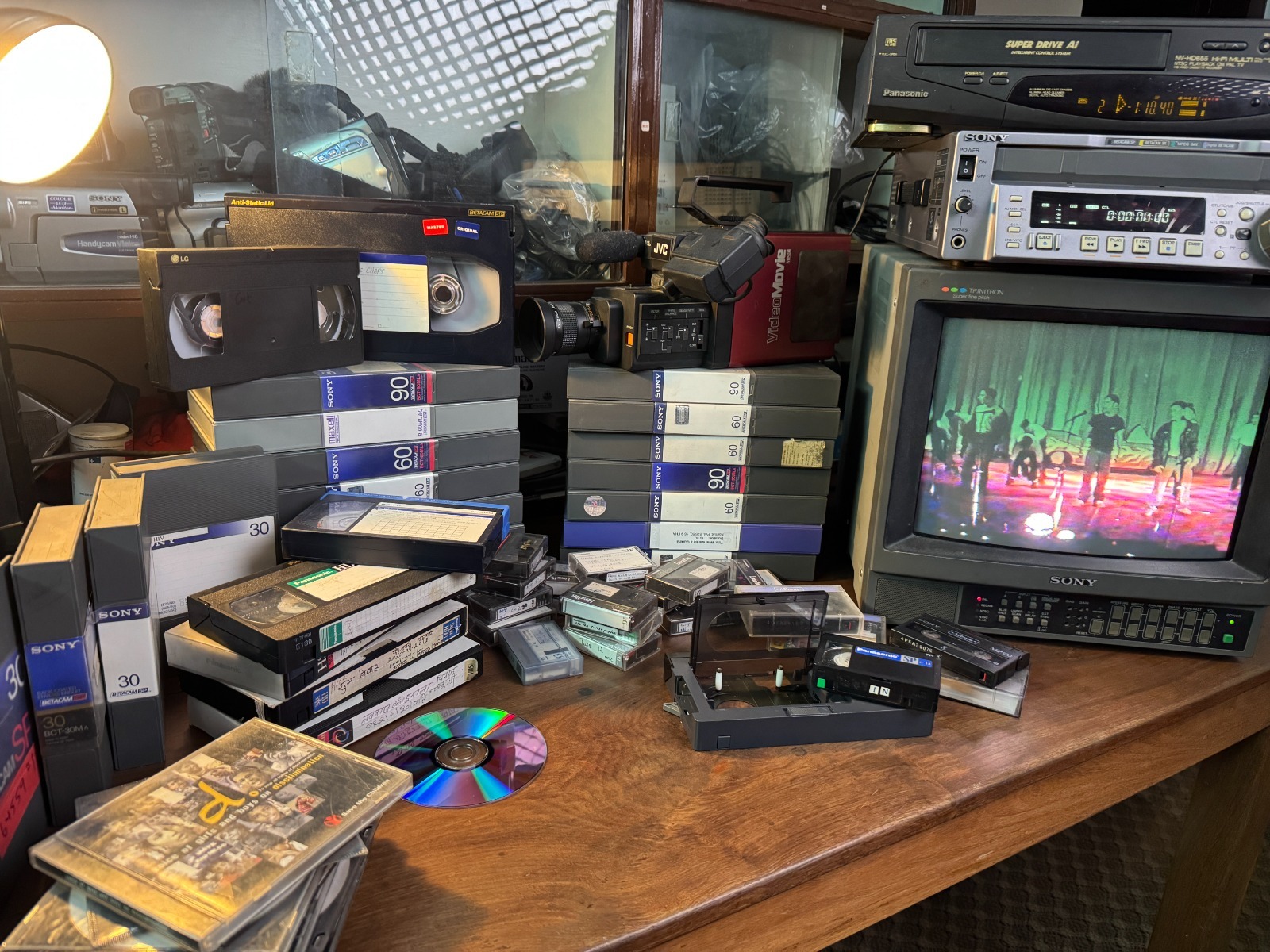
Digitisation is a lost art that preserves the integrity of the time capsule to make it accessible in the modern world of industrialised, technologically advanced cyborgs.
It is an art form that takes old cassettes and videotapes and converts them to DCPs. It makes the information, the memory on the tapes, readable for the world of modern computers. It makes it possible for a 50-year-old couple to watch their wedding day event to remember how they celebrated their love. It makes them remember who showed up for them from the slew of people who exist in their lives now, and those who have become another file in the cabinet of their memories.
That is the magic of being able to remember. It makes it possible to tap into those unused neuronal synapses again. It makes remembering possible.
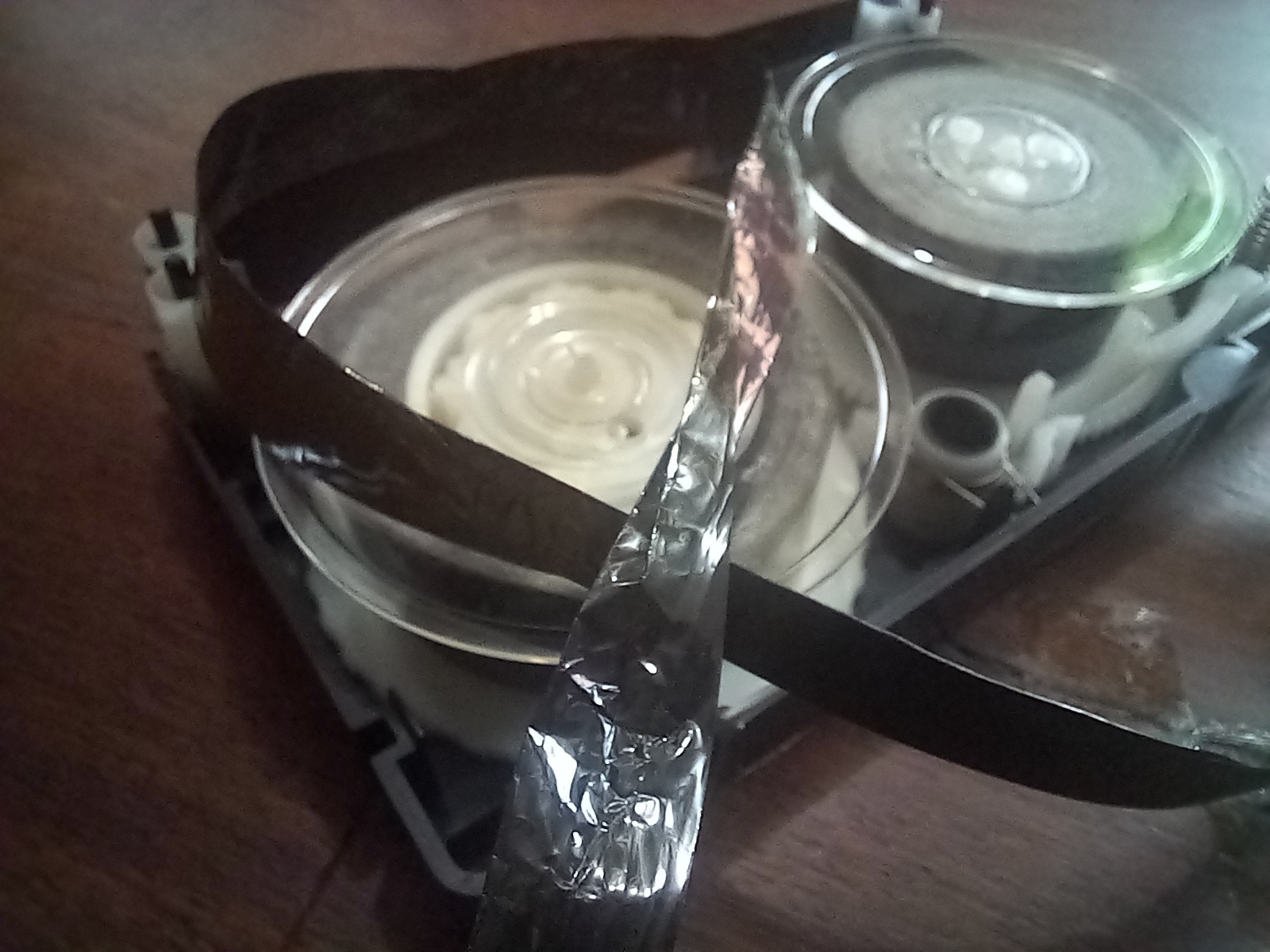
To take the mouldy old tapes with protrusions of fungi, new creatures that have made memories there and a life there. To use their lineage and erase it to bring back the memories that lie deep within. The old birthday home videos and the weddings, and the gatherings. The attempt of people to capture a moment in time, to try and hold on to their kid’s 2nd birthday because they’re afraid of letting the kid grow and afraid of their own mortality.
Similarly, documentaries are powerful. They possess the power to capture a moment of rebellion, often times, documentation of tribes and communities being erased by the government and films about dogs that are being killed in huge numbers are proof of protest. The very form of documentary is protesting. The fact that footage exists of moments in history, recorded either in film or in archives, is a form of protest.
It is protesting against the rewriting of history. It preserves the memory of a struggle people went through, one that could easily be censored or rewritten by the history books. It is preserving the moments when people and communities came together to speak out against injustice by authoritarian figures.
That is the power of a documentary: it makes the ordinary person a protagonist. It puts the camera on someone you are systemically made to ignore. It makes their face the focal point of the screen until you can no longer unsee. Even through the shrouds of privilege you possess, a documentary about the disenfranchised removes the cloud of hatred and government propaganda to make you see another person, another creature.
Samson Films preserves that memory. They take moments and movements in history, from old archival footage of struggles to shooting the now NEWs, Samson films is one of the only entities that do that. They put a camera on it and force it to stay in the collective consciousness.
Oftentimes, archival footage and historical footage of the East lies in the cabinets of the West. Somehow, to get access to Nepali history, you have to pay a Western vendor. That is what Samson Films aims to change. To give access to their history back to the people. To give people power over their own ancestry.
The most personal is the most political. People’s lives in the corners of the slums, where urbanised buildings have built a wall around, so you can only see the pretty hills are worth seeing. They are worth shooting and remembering, and that is what digitisation does. It brings back tapes from times that were erased from people’s memory and shines a light on how maybe the social structures and caste discriminations haven’t changed all that much. Maybe it’s just being hidden better.
This audiovisual medium has the power to reveal hidden truths on screens where the truth of someone’s eye is literally bigger than your entire existence.
That is the beauty of films and videos. They remind you of your mortality. They remind you that you were once 5 years old in a cardboard box with your sister playing Power Rangers with you as the pink ranger. They remind you of when your dog was born, and you were the happiest little kid ever. They remind you of everything that was that no longer is. When you look at your dog now, afraid of her mortality, afraid of her getting old and leaving you in a world you don’t quite understand. But a piece of her will always remain in those videotapes, etched in those magnetic strips that will attract you till your last breath.
That is the beauty of preserving memory and digitising what once the memory hoarder in you feels at peace.
The little kid inside you, afraid of being alone in this world, feels a sense of relief knowing that no matter how old you grow, the magnetic strips will still exist. Fungi might create families over it and erase portions of your memory, but the way that memory made you feel will never leave you.
That is the ultimate power of films and videos, it lets you hoard so you can have access to time machines. Time machines that make you power those synapses in your cortex to let you feel what once was.